Planning your first trip to Japan isn’t just about choosing cities like Tokyo or Kyoto—it’s about choosing the right time. Japan is one of those rare destinations where the season doesn’t just influence your trip—it completely transforms it. Imagine walking under tunnels of cherry blossoms one month, and then seeing fiery red maple leaves the next. The same location feels like a different country depending on when you visit.
Japan experiences four distinct seasons, each with unique weather patterns, cultural festivals, and visual landscapes. Spring brings delicate pink blossoms, summer bursts with energy and festivals, autumn showcases dramatic foliage, and winter offers serene snow-covered scenes. According to recent travel data, peak seasons like cherry blossom time and autumn foliage draw the highest number of tourists, significantly affecting prices and availability .
If you’re visiting for the first time, timing can make or break your experience. A well-timed trip means pleasant weather, manageable crowds, and reasonable costs. A poorly timed one? Think packed trains, sky-high hotel prices, and weather that makes sightseeing uncomfortable.
Balancing Weather, Budget, and Crowds
Here’s the truth most guides won’t tell you: there’s no single “perfect” time to visit Japan. Instead, the best time depends on what matters most to you—weather, budget, or crowd levels.
- Want picture-perfect scenery? You’ll deal with crowds.
- Want fewer tourists? You might compromise on weather.
- Want cheaper travel? You may land in rainy or cold seasons.
For example, cherry blossom season (late March to early April) offers breathtaking views but comes with 30–50% higher hotel prices and massive crowds . Meanwhile, winter offers budget-friendly travel but colder conditions.
So the real question is: what kind of traveler are you? Let’s break it down season by season.
Overview of Japan’s Four Seasons
Spring (March–May)
Spring is often considered the best time to visit Japan, especially for first-timers. The weather is mild, typically ranging from 5°C to 18°C, making it ideal for walking tours and sightseeing . But let’s be honest—people don’t come just for the weather. They come for the cherry blossoms (sakura).
These blossoms usually peak between late March and early April in major cities like Tokyo and Kyoto. The catch? The full bloom only lasts about one week per location, which makes timing tricky . Miss it by a few days, and you might see petals on the ground instead of trees in bloom.
Spring also includes Golden Week (late April to early May), one of Japan’s busiest holiday periods. During this time, domestic travel surges, hotels sell out, and transportation becomes chaotic. Prices can increase dramatically, rivaling cherry blossom season.
Still, if you get the timing right, spring delivers that “wow” moment most first-time travelers dream of.
Summer (June–August)
Summer in Japan is… intense. We’re talking high humidity, temperatures often above 30°C, and frequent rain in June due to the rainy season. If you’re not used to tropical-like conditions, sightseeing can feel exhausting.
But here’s the twist—summer is also one of the most culturally vibrant seasons. Festivals, fireworks, and events are everywhere. Cities come alive at night with energy that feels electric.
The downside? July and August are considered peak travel months, meaning higher prices and crowded attractions . Add in the heat, and it’s not always ideal for first-time visitors.
If you do visit in summer, plan strategically: explore early mornings, take indoor breaks, and embrace the nightlife.
Autumn (September–November)
If spring is the most famous, autumn is the most underrated—and arguably the best overall.
Temperatures cool down to a comfortable 10°C to 22°C, skies are clearer, and the landscapes turn into a canvas of red, orange, and gold. Unlike cherry blossoms, autumn foliage lasts 2–3 weeks, giving you a wider window to enjoy it .
Crowds do increase, especially in November, but they’re generally more manageable than spring. Prices are high but slightly lower than peak cherry blossom season.
For first-time travelers who want beauty without the chaos, autumn hits the sweet spot.
Winter (December–February)
Winter in Japan is a hidden gem. While it’s cold—especially in northern regions—it offers a completely different vibe. Cities are quieter, tourist numbers drop, and hotel prices can be 30–50% lower than peak seasons .
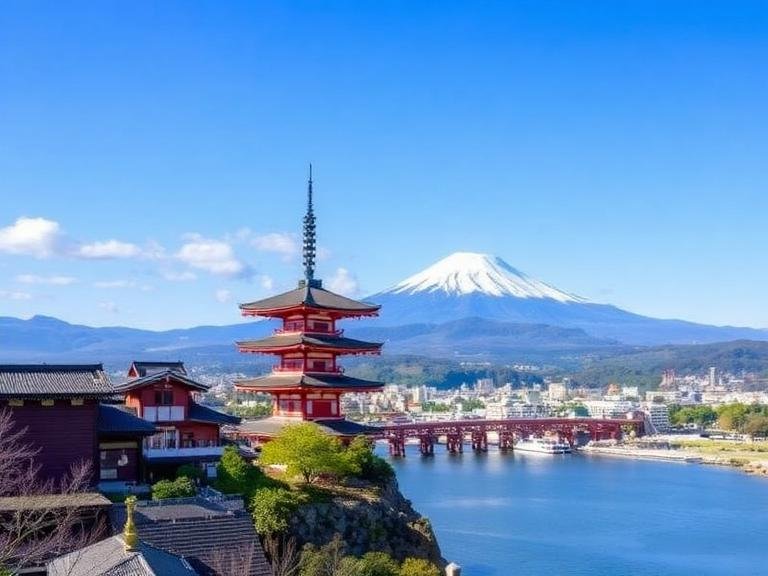
You’ll also get unique experiences like hot springs (onsen), snow festivals, and crystal-clear views of Mount Fuji.
The downside? Some attractions close during the New Year period, and shorter daylight hours limit sightseeing time.
Still, for budget travelers or those seeking a peaceful experience, winter is a strong contender.
Best Time to Visit Japan for Good Weather
Ideal Temperature Months
If your priority is comfort, aim for May and October. These months offer mild temperatures, low humidity, and minimal rainfall. Think of it as Japan’s “Goldilocks zone”—not too hot, not too cold, just right.
During these months:
- You can walk for hours without fatigue
- Outdoor attractions are enjoyable
- Photography conditions are excellent
Many experienced travelers consider these months the best overall time to visit Japan due to this balance.
Months to Avoid Extreme Weather
Some months can be challenging:
- June: Rainy season (frequent showers)
- July–August: Hot and humid, sometimes unbearable
- September: Risk of typhoons
That said, avoiding these months entirely isn’t necessary—it just means planning differently.
Best Time to Visit Japan for Lower Costs
Cheapest Months to Travel
If you’re traveling on a budget, target:
- January to mid-March (after New Year)
- June (rainy season)
- Late August (after peak holidays)
During these periods, hotel prices can drop significantly, and flights are often cheaper. According to travel estimates, winter hotel rates can fall to around ¥9,000–13,000 per night, compared to ¥18,000–30,000 during peak seasons .
How Currency Impacts Travel Budget
Another interesting factor? The Japanese yen has remained relatively weak in recent years, making Japan more affordable for international travelers .
This means:
- Better hotel deals
- Affordable dining
- More value for money overall
For first-time travelers, this is a huge advantage—Japan feels premium but doesn’t always cost like it.
Best Time to Visit Japan to Avoid Crowds
Peak Tourist Seasons Explained
Japan’s busiest times include:
- Late March to early April (Cherry blossoms)
- Late April to early May (Golden Week)
- November (Autumn foliage peak)
During these periods, expect:
- Packed tourist spots
- Long lines
- Fully booked hotels
Tourism is booming too—Japan recorded over 10 million visitors in just the first quarter of 2025, showing how quickly crowds are growing .
Hidden Windows with Fewer Tourists
Want fewer crowds without sacrificing too much?
Try:
- Mid-May (after Golden Week)
- Late September
- Early December
These “shoulder seasons” offer a great balance of moderate weather, lower prices, and fewer tourists .
Month-by-Month Guide for First-Time Travelers
Best Months Overall
If you want a simple answer:
- April: Best for cherry blossoms (but crowded)
- May: Best balance overall
- October–November: Best for weather and scenery
November, in particular, is often considered the best overall month due to ideal weather and stunning foliage .
Months to Be Careful About
- Late April–Early May: Golden Week chaos
- June: Rainy season
- July–August: Extreme heat
- Early January: Holiday closures
These months aren’t “bad”—they just require extra planning.
Pro Tips for Planning Your First Japan Trip
Planning smart can elevate your trip from good to unforgettable:
- Book flights and hotels 3–6 months in advance for peak seasons
- Travel early in the day to avoid crowds
- Visit popular attractions during weekdays
- Consider lesser-known destinations for a more relaxed experience
Think of Japan like a stage—the timing determines which version of the performance you see.
Conclusion
The best time to visit Japan ultimately depends on what kind of experience you want. If you’re chasing iconic views, spring is unbeatable—but expect crowds. If you prefer comfort and balance, autumn is your best bet. Traveling on a budget? Winter and shoulder seasons will reward you.
For first-time travelers, the safest choices are May and October–November, offering that perfect mix of good weather, manageable crowds, and reasonable costs.
FAQs
1. What is the absolute best month to visit Japan?
November is often considered the best overall month due to comfortable weather, beautiful autumn foliage, and fewer crowds compared to spring.
2. When is cherry blossom season in Japan?
Typically late March to early April in cities like Tokyo and Kyoto, but timing varies slightly each year.
3. What is the cheapest time to visit Japan?
January to mid-March and June are usually the cheapest due to lower demand and fewer tourists.
4. Is Japan too crowded for first-time travelers?
It can be during peak seasons, but visiting during shoulder months like May or October helps avoid the worst crowds.
5. Is summer a bad time to visit Japan?
Not necessarily, but it’s hot and humid. It’s best suited for travelers interested in festivals rather than sightseeing comfort.