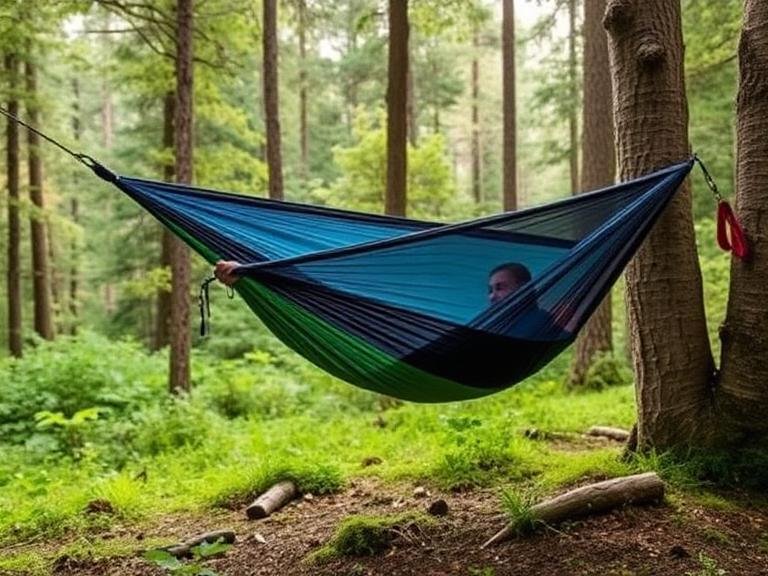
If you’ve ever tried sleeping on uneven ground with rocks poking your back and roots digging into your hips, you already know why best camping hammocks are becoming a game-changer for backpackers in 2026. Picture this instead: you’re floating between two trees, gently swaying in the breeze, no pressure points, no digging around for a flat campsite. That’s the magic of hammock camping.
Modern hammock systems are no longer just simple fabric slings. They’ve evolved into full ultralight sleep systems with integrated bug nets, adjustable ridgelines, and weatherproof tarps. According to recent gear testing reports, top backpacking hammocks now weigh as little as 13 ounces (around 370g) while still supporting up to 400 lbs, making them a serious alternative to tents for ultralight hikers.
In this guide, we’ll break down everything you need to know—from choosing the right setup to comparing the top models dominating 2026. Whether you’re a thru-hiker, weekend backpacker, or just someone chasing comfort in the wild, this deep dive into the best camping hammocks will help you choose the perfect hang.
Why Camping Hammocks Are Exploding in Popularity in 2026
Camping hammocks have shifted from niche gear to mainstream ultralight essentials. The reason is simple: hikers want lighter, faster, and more comfortable sleep systems.
Backpacking gear reviewers highlight that modern hammocks are no longer just for lounging—they’re full shelters. Some setups now include integrated bug netting, underquilts, and weather tarps that rival lightweight tents in performance.
Another major reason is terrain flexibility. Unlike tents that need flat ground, hammocks thrive anywhere trees exist. That means less time searching for campsites and more time actually enjoying the trail.
Comfort is another huge factor. A properly set diagonal lay in a gathered-end hammock can feel surprisingly flat, reducing back strain compared to traditional sleeping pads. Many hikers even report deeper sleep due to the gentle rocking motion.
In short, ultralight hiking culture has embraced hammocks because they solve three major backpacking problems at once: weight, comfort, and campsite limitations.
How to Choose the Best Camping Hammocks
Choosing among the best camping hammocks isn’t just about picking the lightest option. It’s about matching your gear to your hiking style.
Start with weight. If you’re an ultralight backpacker, aim for hammocks under 1.5 lbs (680g). Some premium models go even lower, but you may sacrifice durability or comfort.
Next comes fabric. Most modern hammocks use ripstop nylon ranging from 20D to 70D. Lighter fabrics reduce weight but may feel more delicate.
Suspension systems are equally important. Tree straps with adjustable buckles are the most user-friendly, while whoopie slings are favored by advanced hikers looking to shave grams.
Weather protection is another key factor. A hammock without a rainfly or tarp is useless in unpredictable conditions. Integrated bug nets are also critical for summer backpacking in mosquito-heavy regions.
Finally, think about setup complexity. Some all-in-one systems pack everything into a single stuff sack, while modular systems require separate components.
Top Features That Define the Best Camping Hammocks
The best camping hammocks in 2026 share a few standout features that separate them from budget models.
First, structural ridgelines. These ensure consistent sag and optimal sleeping angle every time you set up camp. Without them, comfort can vary wildly.
Second, integrated bug nets are now standard for serious backpackers. They eliminate the need for separate shelters in insect-heavy environments.
Third, ultralight materials are pushing boundaries. High-end hammocks now use 15D–20D fabrics that dramatically reduce weight while maintaining surprising durability.
Fourth, modular add-ons like underquilts and top quilts allow hikers to fine-tune insulation for different seasons.
Finally, compact packing is essential. The best models compress to the size of a water bottle, making them ideal for minimalist backpacking kits.
Best Overall Picks for the Best Camping Hammocks (2026)
Warbonnet Ridgerunner
The Warbonnet Ridgerunner Hammock continues to dominate expert reviews in 2026. Known for its unique spreader bar design, it creates a flatter sleeping surface compared to traditional gathered-end hammocks.
Gear testers consistently praise its comfort, especially for side sleepers. However, it is slightly heavier than ultralight minimalist options, typically around 2.2 lbs (≈1 kg) depending on configuration.
Its biggest strength is stability. Unlike flexible fabric hammocks, the Ridgerunner feels almost like a suspended cot, which many hikers prefer for long-distance trips.
Kammok Mantis UL
The Kammok Mantis UL Hammock is a favorite among ultralight hikers who want an all-in-one solution. It integrates bug net, straps, and storage pockets into a streamlined system.
Recent user feedback highlights its convenience: everything packs into a single sack, making setup incredibly fast. Weighing just over 1 lb in most configurations, it’s a strong balance of comfort and portability.
However, taller hikers may find the space slightly restrictive compared to longer 11–12 ft hammocks.
Onewind Ultralight Hammocks
The Onewind Aerie Ultralight Hammock series has gained popularity for offering strong performance at a budget-friendly price.
These hammocks are often praised in ultralight communities for their value-to-weight ratio. Some models weigh under 1 lb and include optional bug nets and suspension systems.
While not as refined as premium brands, they are highly customizable, making them ideal for beginners entering the hammock backpacking world.
Ultralight Hammock Comparison Table (2026)
| Model | Weight | Best Feature | Ideal For |
|---|---|---|---|
| Warbonnet Ridgerunner | ~2.2 lbs | Flat lay comfort | Side sleepers |
| Kammok Mantis UL | ~1.1–1.5 lbs | All-in-one system | Fast setup hikers |
| Onewind Aerie | ~0.9–1.3 lbs | Budget ultralight build | Beginners & budget hikers |
This comparison shows how the best camping hammocks balance three key factors: weight, comfort, and usability. No single model wins everything—it’s about choosing what matters most to your hiking style.
Setup Guide for Beginners
Setting up your hammock correctly can completely change your sleeping experience. Start by finding two healthy trees about 12–15 feet apart. The ideal strap angle is roughly 30 degrees—too tight, and you’ll feel like a banana; too loose, and you’ll touch the ground.
Attach your straps at eye level or higher. Then connect your hammock body and adjust the sag until it forms a gentle curve. Most experts recommend lying diagonally to flatten your sleeping position.
Finally, add your rainfly if weather is uncertain. A properly pitched tarp should block wind and rain while still allowing airflow.
Once you get the hang of it (literally), setup usually takes less than 5 minutes.
Common Mistakes Backpackers Make with Hammocks
One of the biggest mistakes is hanging the hammock too tight. This creates pressure points and uncomfortable sleeping angles.
Another issue is ignoring insulation. Unlike tents, hammocks expose you to cold air underneath, so an underquilt or insulated pad is essential in cooler conditions.
Many beginners also underestimate tree spacing. Too far apart or too close, and your setup becomes unstable or unusable.
Finally, skipping practice setup at home leads to frustration on the trail. Always test your gear before heading out.
Hammock vs Tent: The Ultralight Debate
The hammock vs tent debate is ongoing in backpacking communities. Tents offer ground insulation and more predictable warmth, while hammocks excel in comfort and terrain flexibility.
Recent backpacking discussions show mixed opinions. Some hikers swear hammocks help them sleep better due to reduced pressure points, while others struggle with shoulder strain in narrower models.
Weight-wise, modern ultralight tents like sub-1kg trekking tents compete closely with hammock systems. However, hammocks often win in versatility, especially in forested terrain.
Ultimately, the choice depends on environment and personal comfort preference.
Expert Tips for Getting the Most Out of Camping Hammocks
Experienced backpackers often recommend going longer rather than shorter. A 10–11 ft hammock usually provides better comfort than compact 9 ft models.
Another tip is investing in quality suspension straps. Cheap straps stretch and reduce stability over time.
Layering insulation correctly is also crucial. A top quilt combined with an underquilt provides superior warmth efficiency compared to sleeping pads alone.
Lastly, always check your anchor points. Strong, living trees are ideal—avoid dead or weak branches that could fail overnight.
Conclusion
The evolution of the best camping hammocks in 2026 shows how far ultralight hiking gear has come. What used to be simple fabric swings are now advanced sleep systems designed for serious backcountry use.
Whether you choose a premium setup like the Warbonnet Ridgerunner, an all-in-one system like the Kammok Mantis UL, or a budget-friendly Onewind hammock, the right choice depends on your hiking style and comfort needs.
Hammock camping isn’t just an alternative anymore—it’s a full-fledged way to experience the outdoors differently, lighter, and often more comfortably.
FAQs
1. Are camping hammocks good for long-distance hiking?
Yes, many ultralight hikers use hammocks for thru-hiking. They are lightweight and comfortable but require proper insulation planning.
2. What is the ideal weight for a backpacking hammock?
Most ultralight hammocks fall between 13 oz and 1.5 lbs, depending on features like bug nets and tarps.
3. Can I use a camping hammock in winter?
Yes, but you’ll need an underquilt or insulated pad to prevent heat loss from underneath.
4. How long should a good camping hammock be?
Most experts recommend 10–11 feet for optimal comfort and a flatter sleeping position.
5. Do I still need a tent if I use a hammock?
Not necessarily. With a tarp and bug net, a hammock can fully replace a tent in forested environments.