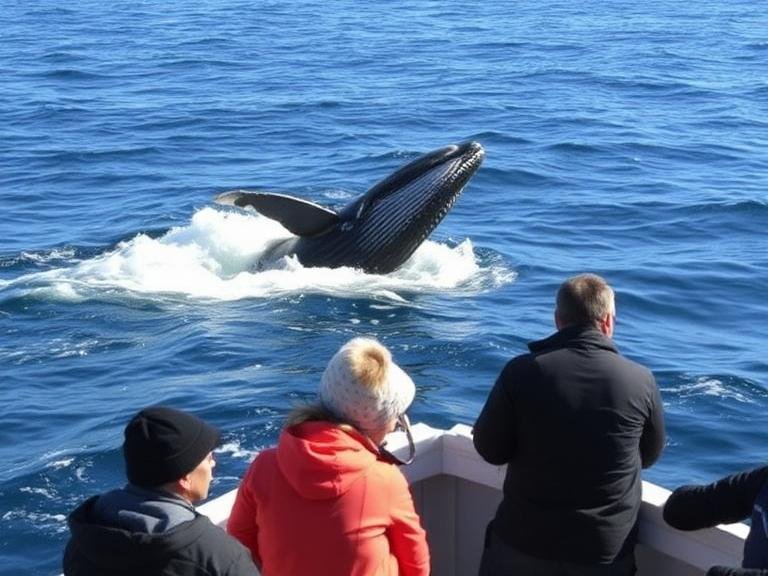
When people talk about whale watching california, they’re not just referring to a simple boat trip—they’re talking about one of the most dynamic marine ecosystems on the planet. California’s coastline stretches over 800 miles, hugging the Pacific Ocean like a front-row seat to nature’s grandest theater. What makes this region truly special is the presence of deep underwater canyons located very close to the shore, which attract massive amounts of krill and fish. And where there’s food, whales follow—simple as that.
This unique geography creates a rare opportunity where you don’t always need to travel far offshore to witness these magnificent creatures. In fact, during peak migration seasons, whales can often be spotted just a few miles from the coastline. According to recent data, around 20,000 gray whales migrate annually along the California coast, making it one of the largest marine migrations in the world . That’s not just impressive—it’s breathtaking.
Add to that the nutrient-rich waters, favorable currents, and protected marine sanctuaries, and you get a whale-watching paradise that operates almost year-round. Whether you’re a nature enthusiast, photographer, or just someone looking for a once-in-a-lifetime experience, California offers a setting that feels almost cinematic.
Diversity of Whale Species Throughout the Year
Another reason why whale watching california stands out globally is the sheer variety of species you can encounter. Unlike many destinations where whale sightings are limited to a specific season or species, California offers diversity across the calendar year. From the majestic gray whales migrating in winter to the acrobatic humpbacks during summer, every season brings a new cast of marine giants.
You might be wondering—what are the chances of actually seeing whales? Surprisingly high. Some locations report over 95% sighting success rates during peak seasons . That’s almost like booking a safari and being guaranteed to see lions.
Beyond whales, you’ll also encounter dolphins, sea lions, and even rare sightings of orcas. Imagine watching a humpback whale breach dramatically against the backdrop of a golden sunset—that’s not just a tour, it’s a memory etched forever. The variety ensures that no two whale-watching trips are ever the same, keeping even seasoned travelers coming back for more.
Best Time for Whale Watching California
Winter Season (Gray Whale Migration)
If there’s one season that defines whale watching california, it’s winter. From mid-December to April, the coastline becomes a migration highway for gray whales traveling thousands of miles between Alaska and Mexico. This journey, spanning up to 10,000–12,000 miles round trip, is one of the longest migrations of any mammal .
January and March are particularly exciting months. In January, you’ll witness whales heading south, while March offers a heartwarming sight—mothers returning north with their calves. These moments feel almost intimate, like watching a family journey unfold in real time.
What makes winter special isn’t just the number of whales but also how close they come to shore. You can often spot them from cliffs, beaches, or even coastal highways. It’s like nature is bringing the show directly to you, no tickets required.
Summer Season (Blue & Humpback Whales)
As winter fades, the ocean doesn’t go quiet—it transforms. Summer introduces a different kind of spectacle with humpback and blue whales dominating the waters. These species are drawn to California’s nutrient-rich feeding grounds, making it one of the best times for variety.
Blue whales, the largest animals on Earth, are typically seen between June and October, while humpbacks are active from May through November . Watching a blue whale glide through the ocean is like witnessing a moving island—it’s surreal and humbling at the same time.
Humpbacks, on the other hand, are known for their playful behavior. They breach, slap their tails, and create dramatic splashes that photographers dream of capturing. If winter is about migration, summer is about action and energy.
Year-Round Whale Watching Opportunities
Here’s the best part—whale watching california isn’t limited to a single season. Thanks to overlapping migration patterns and resident marine life, you can plan a trip almost any time of the year and still have a rewarding experience.
Spring and fall act as transition periods where multiple species overlap, increasing your chances of diverse sightings. Morning tours often offer calmer seas and better visibility, but whales can appear at any time of the day.
Think of it like a rotating cast in a theater—just because one star leaves, another takes the stage. That’s the beauty of California’s marine ecosystem.
Top Whale Watching Locations in California
Monterey Bay
Monterey Bay is often considered the crown jewel of whale watching california. Its underwater canyon system attracts whales year-round, making it one of the most reliable spots for sightings. The bay is also part of a protected marine sanctuary, which means the ecosystem remains rich and thriving.
Here, you can spot humpbacks feeding, blue whales cruising, and dolphins playing in massive pods. It’s not uncommon to see multiple species in a single trip, which adds to the excitement.
San Diego
San Diego offers a perfect blend of warm weather and consistent whale activity. It’s especially famous for gray whale migrations during winter, with whales passing close to the coastline.
The calm waters and professional tour operators make it an ideal location for beginners. If you’re looking for a comfortable and scenic introduction to whale watching, San Diego is a great choice.
Santa Barbara & Channel Islands
This region is known for its stunning landscapes and rich biodiversity. The Channel Islands act as a natural refuge for marine life, creating excellent conditions for whale sightings.
Expect fewer crowds and more pristine views. It’s like discovering a hidden gem where nature feels untouched and raw.
San Francisco Bay Area
Watching whales with the Golden Gate Bridge in the background? That’s an experience you won’t find anywhere else. The Bay Area offers a unique combination of urban scenery and natural beauty.
Gray whales are commonly seen during migration season, and occasional humpback sightings add to the thrill.
Types of Whales You Can See
Gray Whales
Gray whales are the stars of winter. Known for their long migration, they travel close to shore, making them easy to spot. Their slow, steady movement gives you plenty of time to observe and appreciate their size and grace.
Humpback Whales
These are the entertainers of the ocean. Humpbacks are famous for their acrobatics, often breaching and slapping the water with their fins. Watching one leap out of the ocean feels almost unreal.
Blue Whales
The giants of the sea, blue whales are awe-inspiring in every sense. Seeing one is like witnessing a living monument—massive, calm, and powerful.
Orcas and Other Marine Life
Though less common, orcas can occasionally be spotted, especially during certain migration periods. Add dolphins, sea lions, and seabirds to the mix, and you get a complete marine safari.
Scenic Views That Make the Experience Magical
Coastal Cliffs and Ocean Sunsets
One of the most underrated aspects of whale watching california is the scenery. The rugged cliffs, crashing waves, and golden sunsets create a backdrop that’s nothing short of cinematic.
Imagine standing on a cliff, watching a whale surface as the sun dips below the horizon. It’s the kind of moment that makes you pause and just breathe.
Marine Sanctuaries and Natural Backdrops
California’s marine sanctuaries protect vast stretches of ocean, ensuring that wildlife thrives. These areas offer cleaner waters, richer biodiversity, and better viewing opportunities.
Whale Watching Tours vs Shore Watching
Boat Tours Experience
Boat tours bring you closer to the action. You’ll feel the ocean breeze, hear the splash of a whale, and sometimes even lock eyes with these giants. It’s immersive and unforgettable.
Land-Based Viewing Spots
If you prefer staying on land, there are plenty of vantage points along the coast. Cliffs, beaches, and observation decks offer excellent views without the need for a boat.
Tips for the Best Whale Watching Experience
What to Wear and Bring
Dress in layers—it can get chilly out on the water. Bring binoculars, sunscreen, and a camera. Trust me, you’ll want to capture every moment.
Best Time of Day to Go
Morning tours usually offer calmer seas and better lighting, but whales can appear anytime. Choose a time that fits your schedule and enjoy the experience.
Responsible and Ethical Whale Watching
Whale watching isn’t just about entertainment—it’s about respect. Regulations require maintaining a safe distance from whales, usually around 100 yards, to protect both animals and humans. Recent reports highlight the importance of conservation, as gray whale populations have seen fluctuations due to environmental changes.
Choosing eco-friendly tours ensures that your adventure doesn’t harm the very creatures you came to see.
Cost, Packages, and Booking Tips
| Type | Average Cost | Experience |
|---|---|---|
| Boat Tours | $50–$150 | Close encounters |
| Private Charters | $200–$500 | Personalized trips |
| Shore Viewing | Free | Scenic & relaxed |
Booking in advance is recommended, especially during peak seasons.
Conclusion
Whale watching california is more than just a travel activity—it’s an emotional, visual, and deeply immersive experience. From the awe-inspiring migration of gray whales to the playful displays of humpbacks, every moment feels like a connection with something greater than ourselves. Add stunning coastal views, diverse marine life, and year-round opportunities, and you’ve got a destination that truly delivers.
FAQs
1. What is the best month for whale watching california?
January and March are ideal for gray whales, while July to September is best for blue whales.
2. Can I see whales without a boat?
Yes, many coastal areas offer excellent shore-based viewing opportunities.
3. How long are whale watching tours?
Most tours last between 2 to 4 hours.
4. Are whale watching tours safe?
Yes, reputable operators follow strict safety guidelines.
5. What should I bring for whale watching?
Binoculars, camera, sunscreen, and layered clothing are essential.