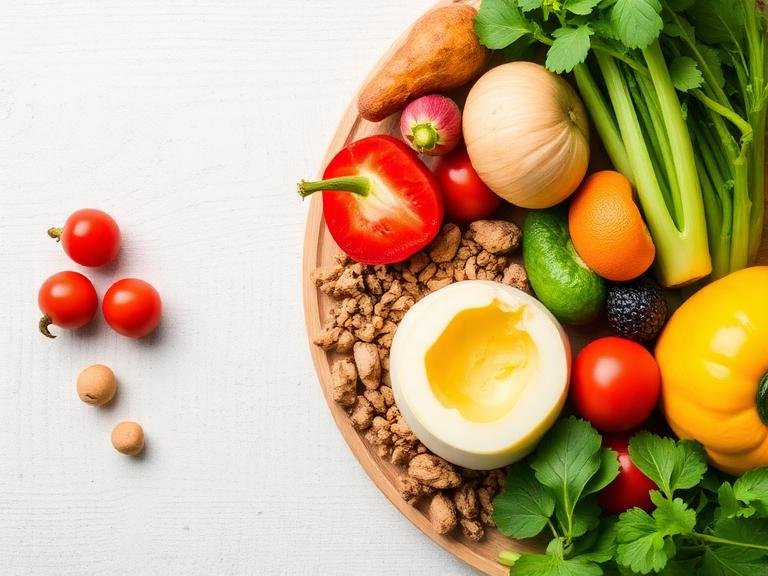
Low calorie foods are exactly what they sound like—foods that provide fewer calories per serving while still delivering essential nutrients your body needs to function properly. But here’s the twist: not all low calorie foods are created equal. Some are rich in vitamins, fiber, and antioxidants, while others are simply “empty calories” offering little to no nutritional value.
When you focus on low calorie foods, you’re essentially choosing foods that allow you to eat more volume without exceeding your daily calorie limit. Think of it like filling a suitcase—would you rather pack heavy bricks or lightweight clothes? Low calorie foods are those lightweight options that give you more room to enjoy eating without guilt.
Why Calories Matter in Weight Loss
Calories are units of energy, and your body needs them to perform basic functions like breathing, digestion, and movement. When you consume more calories than you burn, the excess gets stored as fat. On the flip side, eating fewer calories than you burn creates a calorie deficit, which leads to weight loss.
Research shows that incorporating low calorie foods helps reduce overall calorie intake while keeping you full longer, making weight loss more sustainable.
Nutrient Density vs Empty Calories
Here’s where things get interesting. A chocolate bar and a bowl of vegetables might have similar calories, but their impact on your body is worlds apart. Nutrient-dense low calorie foods like leafy greens, fruits, and lean proteins provide fiber, vitamins, and minerals that support overall health.
Empty calorie foods, like sugary snacks and fried items, may taste good but offer little benefit. In fact, excessive consumption of processed foods is linked to obesity and chronic diseases.
Benefits of Eating Low Calorie Foods
Switching to a diet rich in low calorie high protein foods can completely transform your health—and not just your waistline. It’s not about starving yourself; it’s about eating smarter.
Weight Loss and Fat Reduction
One of the biggest advantages is obvious: weight loss. By choosing foods that are low in calories but high in volume and nutrients, you naturally reduce your calorie intake without feeling deprived.
Foods like broccoli, spinach, and chicken breast are filling yet low in calories, helping you stay satisfied longer. This means fewer cravings, less binge eating, and a more consistent calorie deficit.
Improved Digestion and Energy Levels
Low calorie foods are often rich in fiber and water content. This combination improves digestion, prevents constipation, and supports gut health.
Ever noticed how you feel sluggish after a heavy meal? That’s because high-calorie, processed foods can weigh you down. On the other hand, calorie food low options like fruits and vegetables keep your energy levels stable throughout the day.
What is the 3 3 3 Rule for Eating?
The 3 3 3 rule is a simple yet powerful concept that helps structure your meals for better weight management.
Portion Control Explained
The first “3” refers to dividing your plate into three sections:
- Half plate: vegetables
- One-quarter: protein
- One-quarter: carbs
This method ensures you’re getting a balanced meal without overeating. It’s a practical way to control portions without counting every calorie.
Meal Timing and Hydration Strategy
The second and third “3s” focus on:
- Eating 3 meals spaced about 3 hours apart
- Drinking 3 glasses of water daily
Drinking water before meals can reduce calorie intake by about 13%, according to studies.
It’s simple, right? No complicated diet plans—just structured eating.
Top 10 Lowest Calorie Foods You Must Try
Let’s get practical. Here are some of the best low calorie foods you can include in your daily diet:
Vegetables That Are Almost Zero Calories
- Arugula – ~5 calories per cup
- Radishes – ~18 calories per cup
- Asparagus – ~27 calories per cup
- Spinach
- Cucumber
These foods are high in water and fiber, making them perfect for filling your plate without adding calories.
Fruits and Snacks Under 50 Calories
- Watermelon – ~46 calories per cup
- Strawberries – ~46 calories per cup
- Grapefruit – ~57 calories per half
- Air-popped popcorn – ~31 calories per cup
- Pickles – ~5–10 calories each
These options are perfect when cravings hit but you don’t want to ruin your calorie budget.
High Protein Low Calorie Foods for Fat Loss
Protein is your best friend when it comes to fat loss. It keeps you full, supports muscle growth, and boosts metabolism.
Animal-Based Protein Options
- Chicken breast
- Egg whites
- Tuna
- Greek yogurt
These are classic high protein low calorie foods that provide maximum nutrition with minimal calories.
Plant-Based Protein Options
- Lentils
- Tofu
- Quinoa
- Beans
Plant-based proteins are not only low in calories but also rich in fiber, making them excellent for digestion and satiety.
Can You Lose 7 kg in 7 Days?
Let’s be honest—this is one of the most searched questions online. But is it realistic?
Reality vs Myths of Rapid Weight Loss
Losing 7 kg in 7 days is extremely difficult and often unsafe. Most rapid weight loss comes from water loss, not fat. Severe calorie restriction can lead to muscle loss, fatigue, and hormonal imbalances.
Safe Alternatives for Fast Results
Instead of chasing unrealistic goals:
- Aim for 0.5–1 kg per week
- Focus on low calorie high protein foods
- Stay hydrated and active
Consistency beats shortcuts every single time.
Best Diet for High Blood Pressure
If you’re dealing with high blood pressure, your diet becomes even more important.
Foods to Eat
- Leafy greens
- Oats
- Fruits like berries
- Lean proteins
These foods help regulate blood pressure and improve heart health.
Foods to Avoid
- Processed foods
- High-sodium snacks
- Sugary drinks
Reducing processed food intake significantly lowers the risk of chronic diseases.
How Did Alia Bhatt Lose 16 Kgs?
Bollywood actress Alia Bhatt’s transformation is often talked about, but it wasn’t magic—it was discipline.
Diet Plan Breakdown
Her diet focused on:
- Clean eating
- Small, frequent meals
- High protein intake
- Low calorie foods
Lifestyle Changes
She combined diet with:
- Regular workouts
- Yoga
- Proper sleep
The takeaway? Sustainable habits matter more than extreme dieting.
Which Meal Is Best to Skip?
This is a tricky one. There’s no universal answer.
Breakfast vs Dinner Debate
Some people skip breakfast and follow intermittent fasting, while others prefer skipping dinner. Skipping meals can sometimes lead to overeating later.
Smart Fasting Strategies
Instead of skipping meals blindly:
- Listen to your body
- Maintain balanced meals
- Avoid extreme calorie cuts
Structured eating patterns work better than random skipping.
Conclusion
Adopting a diet rich in low calorie foods isn’t about restriction—it’s about making smarter choices. When you fill your plate with nutrient-dense, satisfying foods, weight loss becomes easier and more sustainable. Whether you’re aiming to shed a few kilos, improve your heart health, or simply feel more energetic, focusing on low calorie high protein foods is a powerful strategy.
The key lies in balance. Combine portion control, proper hydration, and consistent eating habits like the 3 3 3 rule, and you’ll notice lasting results. Forget crash diets and extreme restrictions—your body deserves better.
FAQs
1. What are the best low calorie foods for weight loss?
Vegetables like spinach, cucumber, and broccoli, along with fruits like watermelon and strawberries, are excellent choices.
2. Are low calorie high protein foods better?
Yes, they help you stay full longer and preserve muscle mass during weight loss.
3. Can I eat unlimited low calorie foods?
Not entirely. Even low calorie foods should be consumed in balanced portions.
4. Is skipping meals good for weight loss?
It depends on your body and routine. Structured eating is usually more effective.
5. How many calories should I eat daily?
It varies based on age, gender, and activity level, but maintaining a calorie deficit is key for weight loss.