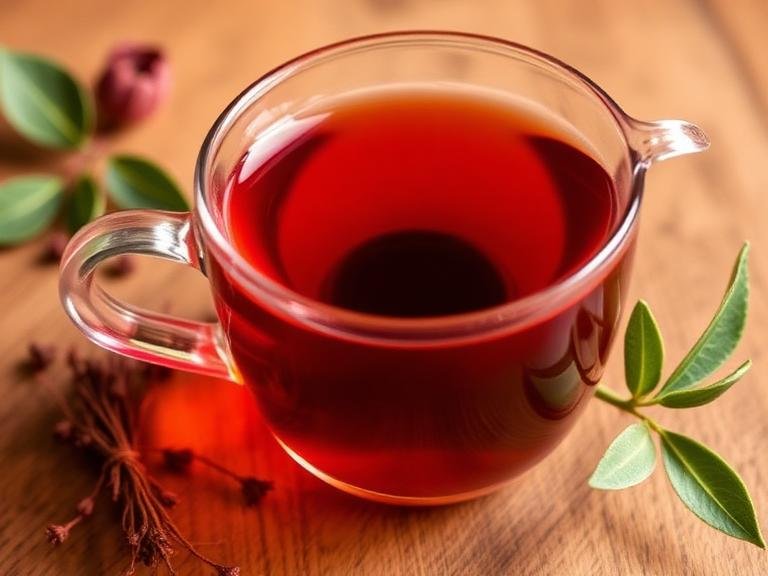
If you’ve never heard of rooibos tea, you’re not alone—but once you discover it, it’s hard to forget. This naturally sweet, earthy herbal infusion comes from South Africa and has been enjoyed for centuries as a soothing, caffeine-free beverage. Unlike traditional teas such as green or black tea, rooibos is technically not a “true tea.” Instead, it’s made from the leaves of a plant native to a specific region of the world.
Historically, indigenous communities in South Africa used rooibos not just as a drink but also as a remedy for various ailments. Over time, its popularity spread globally, especially among health-conscious individuals looking for a gentler alternative to caffeine-heavy beverages. Today, rooibos tea is celebrated not just for its taste but for its impressive health properties and versatility.
What makes rooibos particularly interesting is how it fits into modern lifestyles. Think about it—how often do you want something warm and comforting without the jittery effects of caffeine? Rooibos answers that perfectly. It’s like a cozy blanket in a cup, offering relaxation without compromising your sleep or energy balance.
Rooibos Tea Plants (Aspalathus linearis)
Rooibos tea comes from the plant Aspalathus linearis, a shrub that thrives in the rugged mountains of South Africa. This plant is quite unique—it only grows in a small geographic area, which makes rooibos tea somewhat special compared to widely cultivated tea plants.
The leaves of this plant are harvested, fermented (for red rooibos), and then dried to create the tea we know. There’s also a “green rooibos” version that skips fermentation, preserving even higher levels of antioxidants. The fermentation process gives rooibos its distinctive reddish color and slightly sweet, nutty flavor.
From a botanical perspective, Aspalathus linearis is fascinating because it’s packed with compounds like aspalathin and quercetin, which are powerful antioxidants. These compounds are at the heart of many of the health benefits associated with rooibos tea.
Nutritional Profile of Rooibos Tea
Key Antioxidants in Rooibos
One of the biggest reasons people are switching to rooibos tea is its antioxidant content. Antioxidants are like your body’s internal defense system—they help fight off harmful molecules called free radicals that can damage cells over time.
Rooibos tea contains unique antioxidants such as aspalathin and nothofagin, which are rarely found in other foods or beverages. These compounds have been studied for their potential to reduce inflammation, improve heart health, and even support blood sugar regulation.
Interestingly, while research shows rooibos can boost antioxidant levels in the body, the effect may be modest and temporary. Still, even a small boost can make a difference when consumed regularly as part of a healthy lifestyle.
Think of antioxidants like rust-proofing for your body. Over time, they help slow down wear and tear, keeping your systems running smoothly. That’s why incorporating rooibos tea into your daily routine can be a simple yet effective wellness habit.
Why Rooibos is Caffeine-Free and Low in Tannins
Unlike coffee or traditional tea, rooibos is naturally caffeine-free, making it ideal for people who are sensitive to caffeine or want a relaxing drink before bed.
Another key advantage is its low tannin content. Tannins are compounds found in many teas that can interfere with nutrient absorption, particularly iron. Since rooibos contains fewer tannins, it’s gentler on your digestive system and less likely to affect nutrient uptake.
This combination—zero caffeine and low tannins—makes rooibos tea a fantastic choice for almost anyone, including children, pregnant women (with medical advice), and those with sensitive stomachs.
Health Properties of Rooibos Tea
Anti-inflammatory and Antioxidant Effects
Rooibos tea is often praised for its anti-inflammatory properties, which are closely tied to its antioxidant content. Chronic inflammation is linked to many health issues, including heart disease, diabetes, and even certain cancers.
The antioxidants in rooibos help reduce oxidative stress, which is essentially the imbalance between harmful free radicals and your body’s ability to neutralize them. By restoring this balance, rooibos may help protect your cells and tissues from damage.
Imagine your body as a busy city. Oxidative stress is like pollution building up over time, while antioxidants are the cleanup crew. Rooibos tea provides extra support to keep that city running clean and efficiently.
Role in Boosting Immunity
Your immune system is your body’s defense against illness, and rooibos tea may offer subtle support in this area. Its flavonoids and polyphenols contribute to overall immune function by reducing inflammation and supporting cellular health.
While rooibos isn’t a miracle cure, it can be part of a broader strategy to maintain good health. Combined with a balanced diet, regular exercise, and proper sleep, drinking rooibos tea can help keep your immune system in good shape.
Rooibos Tea Benefits for Heart Health
Can Rooibos Tea Help Lower Cholesterol?
One of the most talked-about benefits of rooibos tea is its potential to improve cholesterol levels. Research suggests that regular consumption may help reduce LDL (bad cholesterol) while increasing HDL (good cholesterol).
In one study, participants who drank rooibos tea daily for six weeks showed improved lipid profiles, including reduced LDL cholesterol. Additionally, broader research indicates rooibos supplementation can lower total cholesterol and triglycerides.
This is significant because high cholesterol is a major risk factor for heart disease. By improving lipid balance, rooibos tea may contribute to better cardiovascular health.
Can Rooibos Tea Lower Blood Pressure?
When it comes to blood pressure, rooibos tea shows promising potential. Some studies suggest it may inhibit angiotensin-converting enzymes (ACE), which play a role in regulating blood pressure.
By preventing these enzymes from constricting blood vessels, rooibos may help promote better blood flow and lower blood pressure levels. While more human studies are needed, the early findings are encouraging.
Rooibos Tea and Digestive & Urinary Health
Is Rooibos Tea Good for Bladder Infection?
Rooibos tea is often recommended as a soothing beverage for urinary health, including bladder infections. While there’s limited direct clinical evidence, its anti-inflammatory and antimicrobial properties may help reduce irritation and support healing.
Because it’s caffeine-free, rooibos doesn’t irritate the bladder the way coffee or black tea can. This makes it a gentle option for people dealing with urinary discomfort.
Impact on Digestion and Gut Health
Rooibos tea is also known for its calming effect on the digestive system. It may help relieve stomach cramps, reduce bloating, and support overall gut health.
Its low tannin content means it’s less likely to cause digestive irritation, making it suitable for people with sensitive stomachs.
Rooibos Tea and Kidney Health
Is Rooibos Low in Oxalates?
Yes, rooibos tea is generally considered low in oxalates, especially compared to traditional teas like black or green tea. This makes it a safer option for people prone to kidney stones.
Oxalates are compounds that can contribute to kidney stone formation when consumed in high amounts. Choosing low-oxalate beverages like rooibos can help reduce this risk.
Role in Preventing Kidney Stones
Because of its low oxalate content and hydrating properties, rooibos tea may support kidney health. Staying hydrated is one of the best ways to prevent kidney stones, and rooibos provides a flavorful way to do just that.
Additional Benefits of Rooibos Tea
Benefits for Diabetes and Blood Sugar
Rooibos tea contains compounds that may help regulate blood sugar levels. Research suggests it can improve insulin sensitivity and reduce glucose levels.
Skin and Anti-Aging Benefits
Thanks to its antioxidants, rooibos tea may also benefit your skin by reducing oxidative damage and supporting a youthful appearance.
How to Prepare and Consume Rooibos Tea
Best Brewing Methods
Preparing rooibos tea is simple:
- Boil water
- Add rooibos leaves or tea bag
- Steep for 5–7 minutes
- Enjoy hot or iced
Daily Intake Recommendations
Most studies suggest consuming 2–6 cups per day for potential health benefits.
Potential Side Effects and Precautions
Rooibos tea is generally safe for most people. However, rare cases of liver issues have been reported, so moderation is key.
Conclusion
Rooibos tea is more than just a comforting beverage—it’s a natural, caffeine-free powerhouse packed with antioxidants and potential health benefits. From supporting heart health and improving cholesterol to aiding digestion and promoting relaxation, it offers a wide range of advantages without the downsides of caffeine.
FAQs
1. Can I drink rooibos tea every day?
Yes, it’s safe for daily consumption in moderate amounts.
2. Does rooibos tea help with sleep?
Absolutely, since it’s caffeine-free and calming.
3. Is rooibos tea good for weight loss?
It may support weight management due to zero calories and blood sugar regulation.
4. Can children drink rooibos tea?
Yes, it’s safe due to its caffeine-free nature.
5. Is rooibos tea better than green tea?
It depends—rooibos is caffeine-free, while green tea contains caffeine but different antioxidants.
