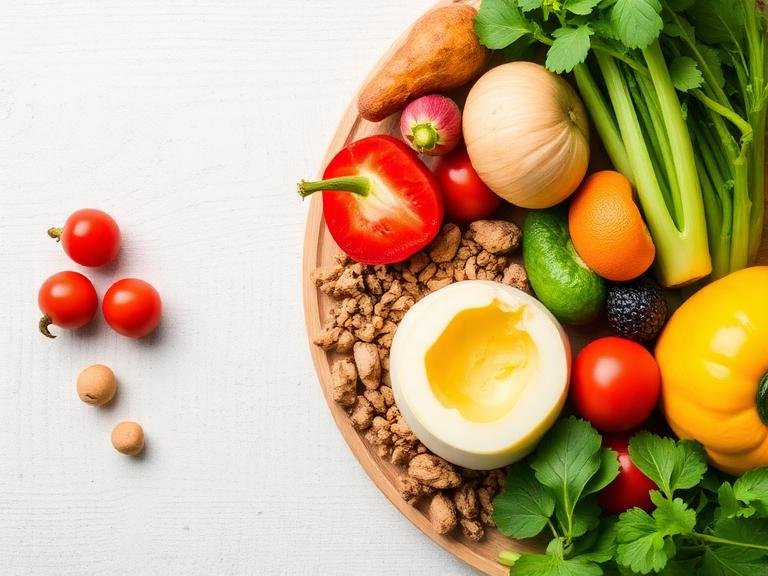
Fiber isn’t just some fad word nutritionists throw around — it’s one of the most powerful nutrients for digestion, metabolism, and overall long-term health. Most people worldwide fall well short of getting enough fiber in their diet, but the good news is that with the right choices, you can support your gut, heart, blood sugar, and energy levels just by prioritizing high fiber foods.
In this comprehensive guide, we’re going deep into the best fiber-rich foods, what they do in your body, how much you really need, common signs your digestive system isn’t in great shape — and how to hit 100% of your daily fiber goals the tasty way.
What Exactly Is Fiber?
Let’s clear this up right away. Dietary fiber is a type of carbohydrate found in plant foods that our bodies can’t digest. Instead of being broken down into sugars and absorbed, fiber travels through your digestive tract mostly intact, helping regulate digestion, bowel movements, and even feeding friendly gut bacteria.
There are two main types:
- Soluble fiber – dissolves in water and forms a gel-like substance in your gut. This slows digestion, supports stable blood sugar, and helps lower cholesterol.
- Insoluble fiber – stays intact through digestion, adds bulk to stool, and helps food move smoothly through the colon.
Most fiber-rich foods contain both types to some degree, which is why variety matters.
Why Eat High-Fiber Foods?
High-fiber foods don’t just benefit digestion — they influence nearly every system in your body:
- ➤ Supports regular bowel movements and can reduce constipation.
- ➤ Feeds beneficial gut bacteria, helping your immune system and mood.
- ➤ Helps control blood sugar and insulin response.
- ➤ Keeps you feeling full longer to support weight management.
- ➤ Linked with lower risk of heart disease and diverticulitis.
Fiber truly is a foundational nutrient for long-term wellness.
How Much Fiber Do You Actually Need?
Experts recommend adults should strive for roughly:
- 25–38 grams per day, depending on age and gender.
- The average diet often provides only about 15 grams per day, far below what most bodies actually thrive on.
To support your daily health goals, aiming for at least 25–35 grams is ideal — and many experts suggest more may be beneficial if tolerated.
Ultimate List of High Fiber Foods
Here’s your go-to list of foods high in fiber that taste amazing and pack real nutritional power:
Whole Grains & Cereals
These grains are staples for fiber and gut health:
- Oats – excellent source rich in soluble fiber.
- Quinoa – complete protein and rich in fiber.
- Brown rice & barley – hearty grains to bulk meals.
- Whole-grain bread & crackers – quick fiber boost.
Whole grains are often the easiest way to up your fiber without feeling like you’re “eating healthy.”
High Fiber Fruits
Fruits are nature’s sweet fiber bombs:
- Raspberries – one cup can provide ~8g fiber.
- Pears (with skin) – about 5–6g per medium fruit.
- Apples with skin – around 4–5g fiber.
- Bananas – good source of both soluble and insoluble fiber.
- Avocado – creamy and rich in fiber and healthy fats.
Fruits also bring vitamins, minerals, and antioxidants — a fiber double whammy.
Vegetables Loaded with Fiber
Veggies aren’t just low-calorie fillers — many are fiber champions:
- Artichokes – one of the highest fiber vegetables.
- Brussels sprouts & broccoli – great for digestion and micronutrients.
- Sweet potatoes (with skin) – rich, sweet, and satisfying.
- Green peas – surprisingly high in fiber.
Mix these into salads, soups, stews, or roasted plates for maximum benefit.
Beans, Legumes & Pulses
If there was a “fiber powerhouse” category, this is it:
- Lentils & black beans – up to 15–20g per cooked cup.
- Chickpeas – versatile for curries, salads or hummus.
- Kidney beans & split peas – phenomenal fiber sources.
Legumes are also rich in plant protein and vitamins, making them perfect for daily meals.
Seeds & Nuts Packed with Fiber
Tiny but mighty:
- Chia seeds – dramatic fiber boost when added to smoothies or yogurt.
- Flaxseeds – great for omega‑3s and digestive health.
- Almonds & pistachios – snackable fiber options.
Just watch portion sizes — seeds and nuts are dense in calories, so balance accordingly.
Fun & Unexpected Fiber Picks
Believe it or not:
- Air-popped popcorn – nearly 6g fiber per 3 cups.
- Dark chocolate (70%+) – modest fiber and mood lift.
- Whole fruit juices with pulp – can add soluble fiber.
These add variety without sacrificing taste.
7 Signs You Might Have an Unhealthy Gut
Your digestion is more than just bowel habits — it reflects whole‑body balance. Look out for:
- Persistent bloating or gas
- Irregular bowel movements (constipation or diarrhea)
- Unexplained fatigue
- Food intolerances
- Skin issues like eczema or acne
- Unintended weight changes
- Low immunity or frequent infections
If more than a couple of these sound familiar, optimizing fiber and gut‑friendly foods is one of the best first moves you can make.
How to Get 100% of Your Daily Fiber
Getting your full daily fiber isn’t hard — but it takes strategy:
Breakfast
➡️ Oatmeal with berries + chia or flax seeds
➡️ Whole grain toast + avocado or peanut butter
Lunch
➡️ Lentil or bean salad
➡️ Whole-grain wrap loaded with veggies
Dinner
➡️ Brown rice or quinoa bowls
➡️ Roasted veggies with sweet potatoes and beans
Snacks
➡️ Pear or apple with skin
➡️ Carrots & hummus
➡️ Popcorn with herbs
Pro tips
- Pair fiber with plenty of water; fiber works best with fluid.
- Increase fiber gradually to avoid gas or bloating.
- Combine soluble and insoluble fiber daily for full benefits.
Best Fiber for Overall Digestive Health
There’s no single “best” fiber — your body needs both types:
Soluble fiber for cholesterol, blood sugar, and soft stools.
Insoluble fiber for stool bulk and bowel movement regularity.
High-fiber foods that offer both are ideal, such as beans, whole grains, and vegetables. Variety guarantees balanced digestive support and keeps your meals exciting.
Summary
Increasing your intake of high fiber foods is one of the simplest, most effective ways to support digestion, metabolic health, weight management, and immune resilience. Food sources — rich in both soluble and insoluble fiber — are always preferable to supplements, though supplements may be useful in certain cases if recommended by a healthcare provider.
Frequently Asked Questions (FAQs)
1. What are the best fiber foods for digestion?
Foods like beans, lentils, whole grains, berries, and vegetables provide high levels of soluble and insoluble fiber — exactly what your digestive system thrives on.
2. Which type of fiber is best for digestive health?
A blend of soluble and insoluble fiber supports regular bowel movements, stable blood sugar, and a healthy gut microbiome.
3. How quickly should I increase my fiber intake?
Slowly. Add fiber gradually over weeks to minimize gas or bloating, and pair with plenty of water.
4. Can too much fiber be harmful?
Yes — too much too soon can cause digestive discomfort. Balance and hydration are key.
5. Is fiber important for weight loss?
Absolutely; fiber promotes full feelings, which can help control calorie intake.

